

Month: March 2022
21 hours of intense discussions, over 108 countries attending, 12 content-rich sessions, 60 jury members, 1 Award Ceremony and countless new cross-border connections made. The WSA Global Congress, held online March 22 – 24, 2022, presented how local digital content can support building the bridges needed to close global gaps. Meet the 9 WSA Global Champions, who stand out as best-practice modes of how digital content provides real solutions.
The global multi-stakeholder network of WSA and digital entrepreneurship enthusiasts came together at the WSA Global Congress, discussion on how to move on to a true knowledge society, as well as achieving the UN Sustainable Development Goals. The motto of the event was Hack the Gap, a motto referring to the need for global connectivity, addressing environmental or bias issues or providing accessibility for everyone. The WSA Winners 2021 proved with their impactful live pitches that digital innovation can be a true driver to achieve those goals.
Among them, 9 Global Champions were selected as best practice examples for digital tools helping to narrow the societal gaps to improve society around the world.
WSA GLOBAL CHAMPIONS 2022
Government & Citizen Engagement:
ManoSeimas.lt is an online tool making representative politics in Lithuania more transparent and increasing trust in political integrity by holding members of Parliament accountable. ManoSeimas.lt collects, analyses, and visualises data about parliamentary policymaking, indicating what interest groups and lobbyists affect decision-making. Data obtained from various sources is systemised in user- friendly interactive charts.
Health & Well Being:
FibriCheck is a free digital application from Belgium for smart phones and watches, detecting cardiac arrhythmia to prevent strokes. Pioneered in 2014, FibriCheck is certified as a full medical device, super simple yet equal in accuracy to an ECG. Users download the app for heart rhythm monitoring as easy as putting one’s finger on the camera for 60 seconds. Feedback follows, clinical support can be requested.
Learning & Education:
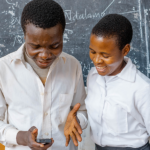
The Inspirelearn mobile platform from Malawi is a simple, portable, offline, and affordable tool containing graphic educational content and an audio library in both English and Chichewa, the local language. The platform can be easily modified to work on Inspirelearn solar-powered display devices and is a great tool for secondary school youth in remote and underprivileged communities.
Environment & Green Energy:
Peer to Peer Solar Trading provides an operating system in Uttar Pradesh state for new clean energy markets. In P2P energy trading, individuals generate energy from rooftop solar (RTPV) and share excess energy. Power Ledger’s platform integrates with smart meter systems to enable households to set prices, track energy trading and settle surplus solar transactions in real-time through smart contracts executed on blockchain.
Culture & Tourism:
Kathuwaraya.com is a unique platform nurturing Sri Lankan writers and offering texts in Sinhala via free web & mobile apps. With a secure copyright framework, over 200 authors publish without fear of theft, build their readership, and gain popularity. Kathuwaraya.com presents readers young and old with diverse works to enjoy and review, including voiced renditions.
Smart Settlements & Urbanization:
The CREE LifeCycle Platform from Austria for the systematic construction of large-scale buildings, combines stunning design with urban sustainability. The CREE network of professionals improves and shares forward-thinking building practices. Users join a community of transparent, interactive expertise in globally applicable, sustainable, construction methods where perspectives come together to enhance the platform, and to radically digitize and reorganize conventional processes in the construction industry.
Business & Commerce:
Lucinity from Iceland is an AML software company using Human and advanced AI systems to Make Money Good. Existing anti- money laundering (AML) systems based on manual processes only catch about 1% of the 2.5 trillion US dollars laundered through financial systems every year. With Lucinity, banks find money laundering behaviours in transaction data more efficiently, AML procedures become more targetted with every case.
Inclusion & Empowerment:
Mobility Mojo from Ireland is a digital accessibility evaluation toolkit. Mobility Mojo helps workplaces and hotels evaluate, integrate, and display accessibility features. Using a smartphone office managers or hotel owners walk through and audit their premises, then integrate and display all the facilities they offer in a standardized way across all platforms. Mobility Mojo helps businesses to deliver a welcoming experience to people with accessibility needs.
Young Innovators:
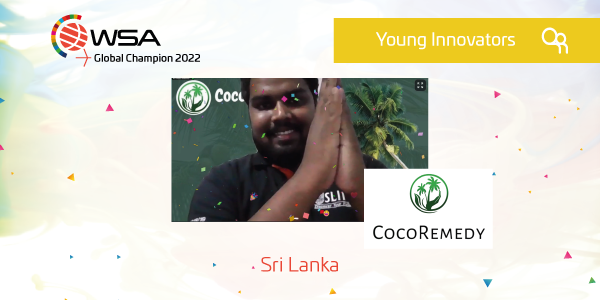
CocoRemedy is a mobile web-based application in Sri Lanka providing coconut growers with information from surveillance identifying coconut diseases and pest infestations early. In collaboration with the Coconut Research Institute of Sri Lanka (CRISL), CocoRemedy offers visualizations of infected areas or future danger areas using deep learning, image processing, and crowdsourcing.
Interview with WSA Chairperson Peter A. Bruck
The WSA Global Congress, the highlight of the annual WSA cycle, is just ahead. It’s an opportunity for participants from over 180 countries—social entrepreneurs, eminent experts, jurors, youth ambassadors, inventive founders, smart networkers, new and older friends—to come together to discuss digital content creativity and futures.
It's also the perfect opportunity to talk with Prof. Dr. Peter A. Bruck who acts as Chairperson of the WSA Board of Directors (and so much more). We interviewed him about his thoughts on the future of technology and the humanity of things local, on the bridging of divides, and narrowing societal gaps.
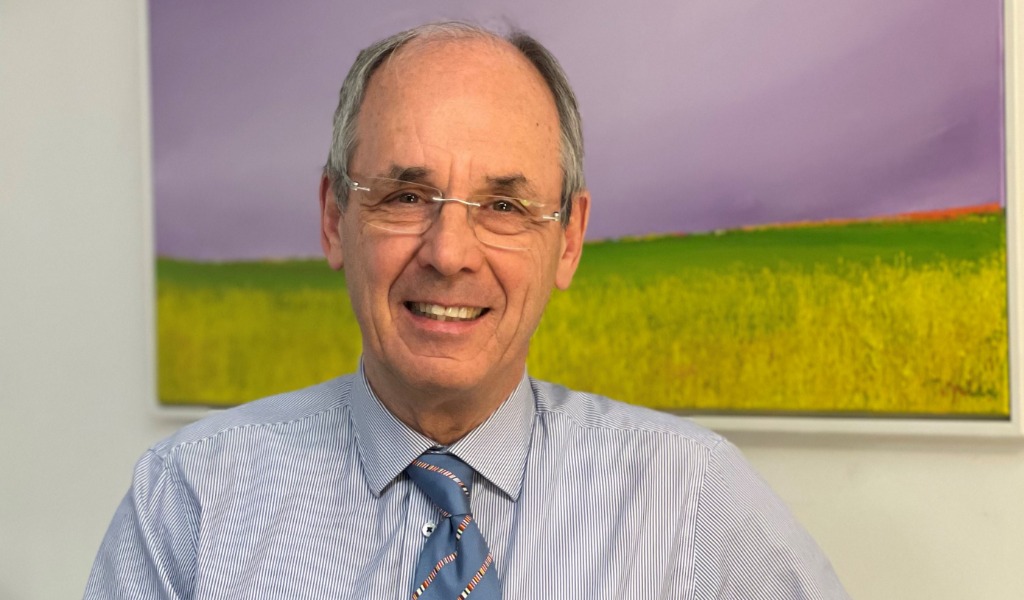
Prof. Dr. Peter A. Bruck
Q: The WSA Global Congress is taking place March 22 – 24. What are your thoughts and hopes for this event?
A: The WSA Congress is special because it provides, in a very short time, an absolutely flabbergasting global overview of what is new, i.e., what is being produced, designed, and created in terms of content-driven digital applications. The important thing is not technology by itself, but how tech becomes effective in certain communities, in a certain economic context or certain markets by addressing specific issues and values. It is quite rare that innovation is not market-driven by people with market power and advertising resources.
The WSA Global Congress is built from a network in over 180 UN member states with a waterfall system of evaluation. In that sense, it's like if someone looks at our planet from another star system, and suddenly clearly perceives the burning issues of environment, government and participation, inclusion and so on. This perspective is new every year, interesting, and one can learn from it.
The WSA Global Congress is also very much an invitation to not just voyeuristically participate in something, but to interact in learning mode. Due to the global pandemic, the event is being held online, but this may give all of us a better opportunity to interact with each other regardless of travel restrictions. In this sense, it will be an eye-opening experience for those who can take the time on those specific dates.
Q: The WSA Global Congress is one of the annual highlights of WSA. Please define the goals and possibilities of WSA briefly.
A: The goal of WSA is to identify, evaluate, and showcase the best of content-driven applications and solutions for local community-building on the way to a true knowledge society, as well as for achieving the United Nations Sustainable Development Goals.
WSA addresses the use of digital technology for interactive content that excels in terms of design, state of the art technology, but is very much focused on impact and delivering value to the recipients, the users.
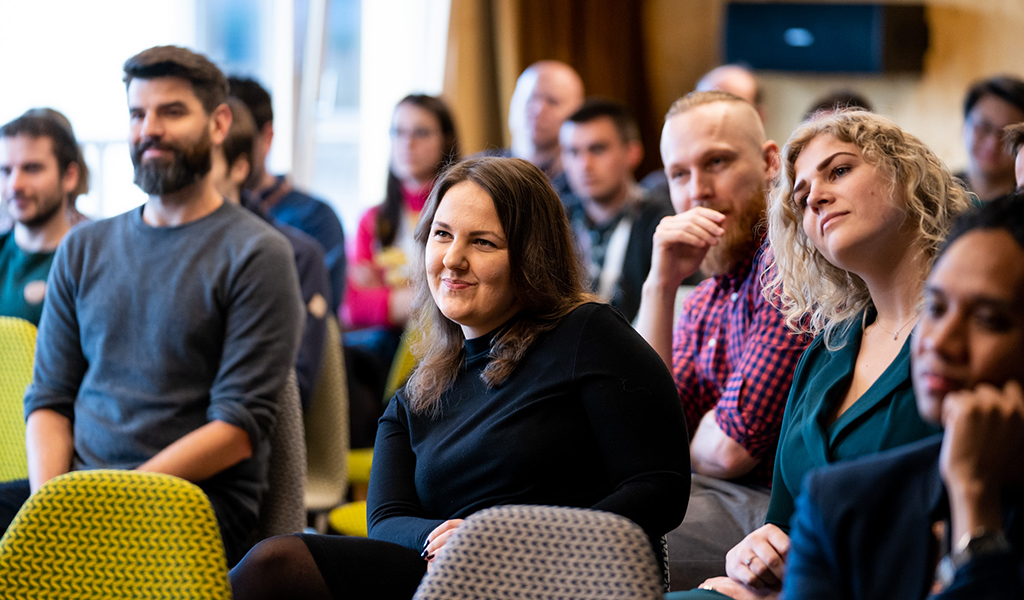
WSA Global Congress (Vienna, 2020)
Q: Taking a closer look at the winning projects, what would you consider the big issues of our time?
A: This year's winners stand out in their seamless integration of artificial intelligence applications into their content, for their intelligent use of advanced data processing to expand services and application range, and for precisely highlighting and demonstrating that differences in technology speed and technology adoption do not mean a difference in terms of local significance and impact. This is a very important point, because a lot of the digitization discourse, including in politics and business, but also in university research and in society, is very technology-fixated or technology-centered. What WSA shows is that impact is always contextual and local, and that it needs to be viewed, judged, and evaluated in terms of the local.
Let me put it this way: In a globalizing technology space, the local is the source of our humanity.
Q: Can you expand on that a bit?
A: In the final documents of the WSIS (World Summit on Information Society) the question of content was included because of the Austrian delegation (i.e. then State Secretary Franz Morak, Prof. Dr. Peter A. Bruck, Ambassador Walter Lichem, Christian Rupp, Birgit Berger). We paid special attention to the local, the content, and only through our repeated insistence was the term included in the final UN document by the delegates and approved also by UN General Assembly, UNESCO and ITU. However, necessity of localness of content was not really understood at that time. It was not discussed that everything is cultural and thus must be considered at the local level, if only to include the use of language as a means of communication. Just one example: in Canada's Northwest Territories, a region about four times the size of Europe and home to the Dene, Inuit, and others, there are 23 spoken languages. And they have 53 transcriptions. That shows why the local reference is so important, why it is indispensable, why it is the base for a human knowledge society.
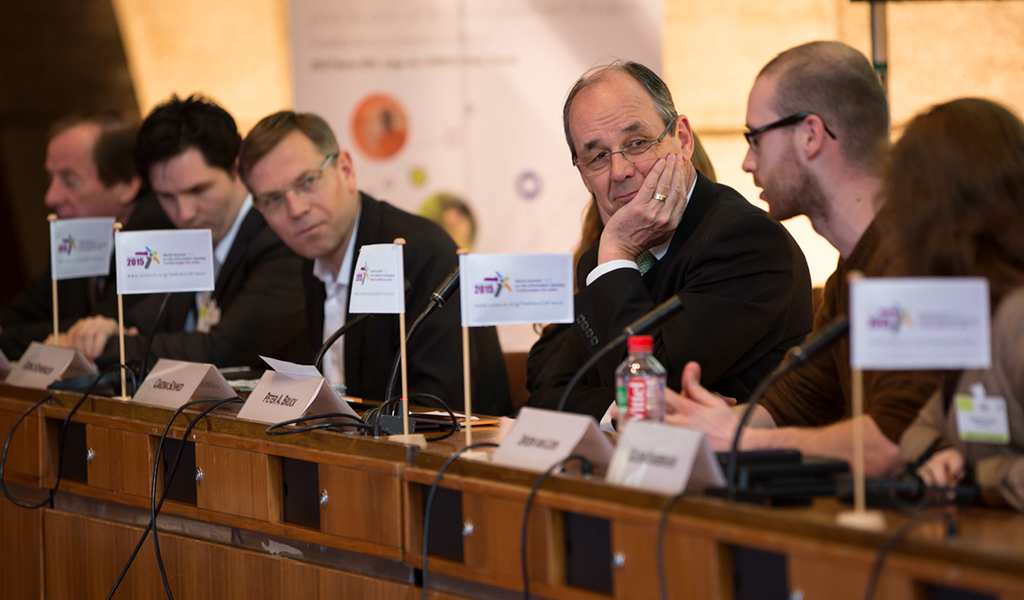
Prof. Dr. Peter A. Bruck @ WSIS +10 (Paris, 2013)
Q: You mentioned the WSIS initiative of the UN. What does this connection mean for the whole WSA program?
A: The World Summit on Information Society has given the WSA a distinctive focus as a global initiative bridging the digital divide in content, the content gap. WSA spreads the awareness that digital divide are not just divides regarding access, but also regarding content, gender, knowledge, usage, participation, and, as we note, a divide in motivation and commitment to addressing the climate crisis.
Q: Are divides narrowing?
A: As I said before, WSA deals with multiple divides and see the gaps. We address the content gap, the gender gap, the wealth gap, and so on. Our focus on hacking the gaps, bridging the divides, is something that requires a continuous, determined commitment of energy and creativity, of will and work, of sweat and imagination. I, at least, do not anticipate that we will be able to bridge these divides definitively in our lifetimes. We succeed with respect to the WSA because we keep at it. But there is no expectation that we will find simple final solutions to any of these discrepancies. We know that we must be determined and keep going, and we're not going to stop.
Q: In a reality without boundaries, what would you wish the WSA to be? Any ambitious ideas?
A: The WSA has fulfilled its purpose in many ways over the years, encouraging people—producers, designers, developers—to look at interactive content as a particular field of creativity to move people, create knowledge and offer appropriate solutions to local and community problems with a global perspective. Anything that helps our programs to have a greater impact and to reach more people is not only welcome, but necessary to ensure that we move toward a human-centered knowledge society, where hybridity is not just a technological game and a threat to people, but where transformations increase our humanity in terms of relationships. That is the task!
Header Image by UN / Mark Garten
ACTION TO TACKLE CLIMATE CHANGE
WSA focuses on selecting and promoting digital innovation and quality content from local communities from over 180 UN-Member States. Every year WSA National Experts nominate up to 8 best digital impact practices, which are classified in 8 WSA Categories. WSA encourages knowledge sharing within the WSA Network and beyond to reach the UN SDGs.
Climate change demands immediate action and must be solution-oriented. The WSA nominees in the category Environment & Green Energy offer examples of how the best environment targeted solutions in cooperation with digital technologies have tackled climate change worldwide.
In 2021, WSA received 27 nominations in the category of Environment & Green Energy, with a predominant focus on the following topics: enhance the access to clean energy research and technology, renewable energy, advanced, cleaner fossil-fuel technology and energy efficiency. Key proposed actions were:
- Prepare to adapt to climate change, extreme weather, drought, flooding, and other natural disasters.
- Support participation in water processing and sanitation, including water efficiency, recycling, and water harvesting.
- Enhance agricultural productivity, as well as support small-scale food producers.
- Support maintaining ecosystems, sustainable food production systems & resilient agricultural practices that increase productivity and production.
Trend 1: Clean Energy
The focus lies on the production of clean energy through sharing and grid production.
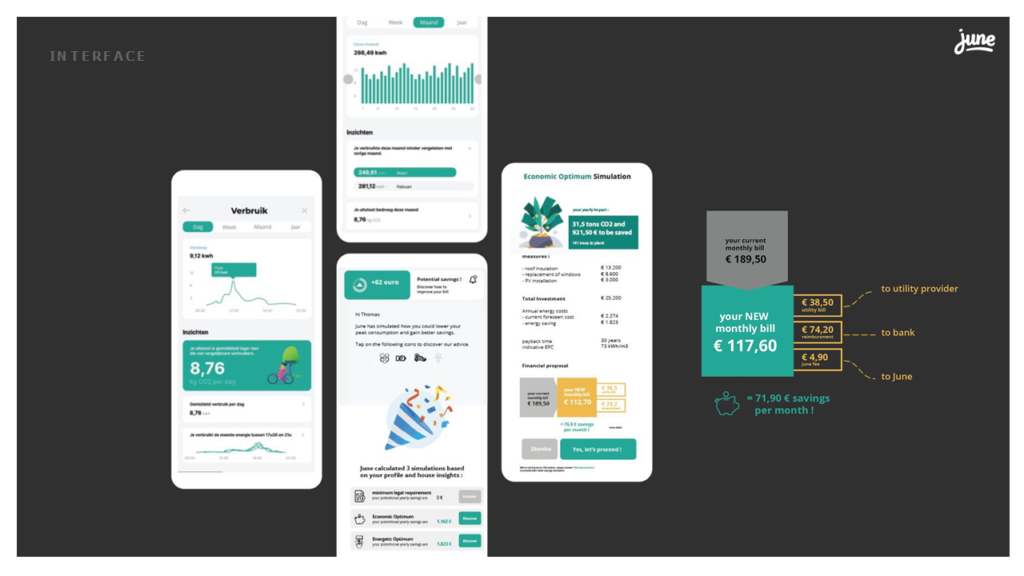
Okra Solar, from Cambodia, focuses on bringing solar energy to isolated or remote rural communities. June Energy from Belgium presents an affordable and sustainable energy platform, using cloud-based data to match consumers and businesses to “accelerate the transition to clean and decentralized energy” and tackle the current rigid energy system that is often fragmented and non-transparent.
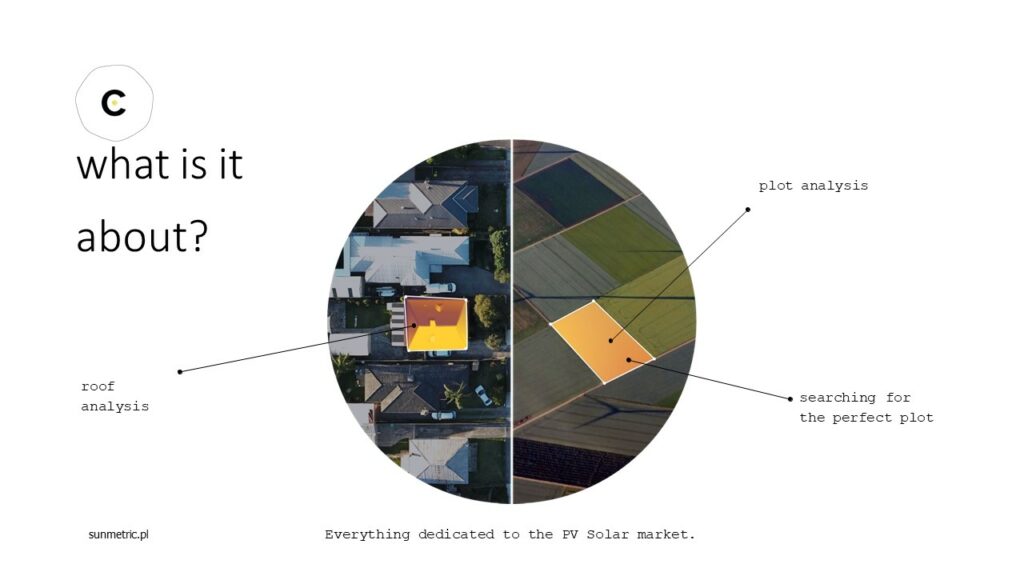
Peer to Peer Solar Trading on Blockchain in Uttar Pradesh, from Australia, employs blockchain to enable the exchange of energy and allows users to buy and sell encrypted renewable energy certificates. Sunmetric, from Poland, focuses on accelerating the energy transformation. To do so, it provides data about the parameters of the plot on which the construction of a solar farm is being built. It analyses the dimensions, as well as the insolation and shading of individual roof slopes.
Trend 2: Recycling and smart water consumption
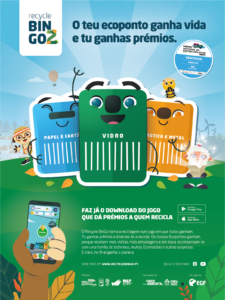
The focal point of this trend is set on cultivating recycling habits, as well as raising awareness among the population about water consumption and climate change. Recycle Bingo, from Portugal, turns recycling into a game, showing the nearest recycling containers to drop-off waste and rewarding participants with eco gifts, that can be exchanged for real prizes.
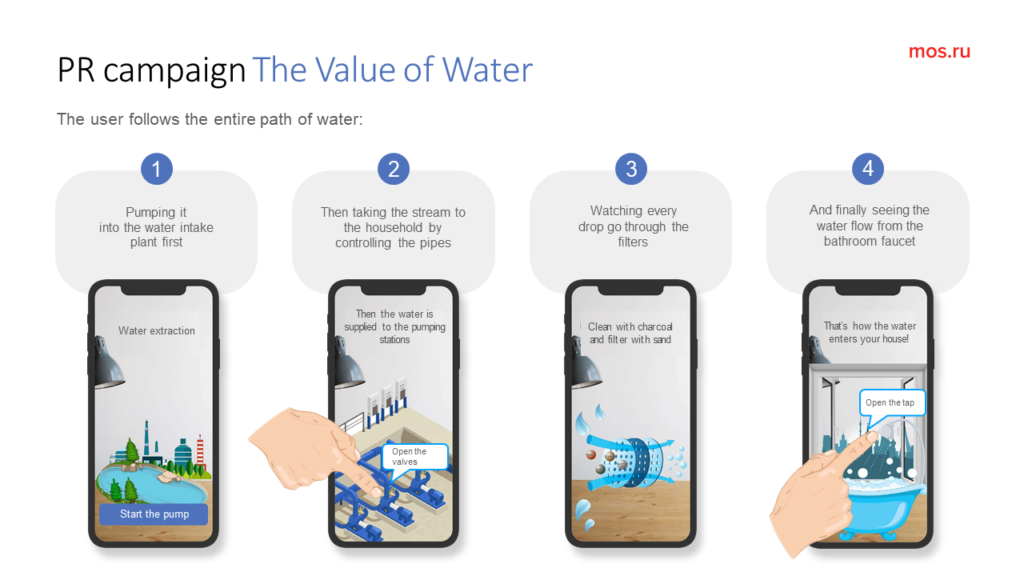
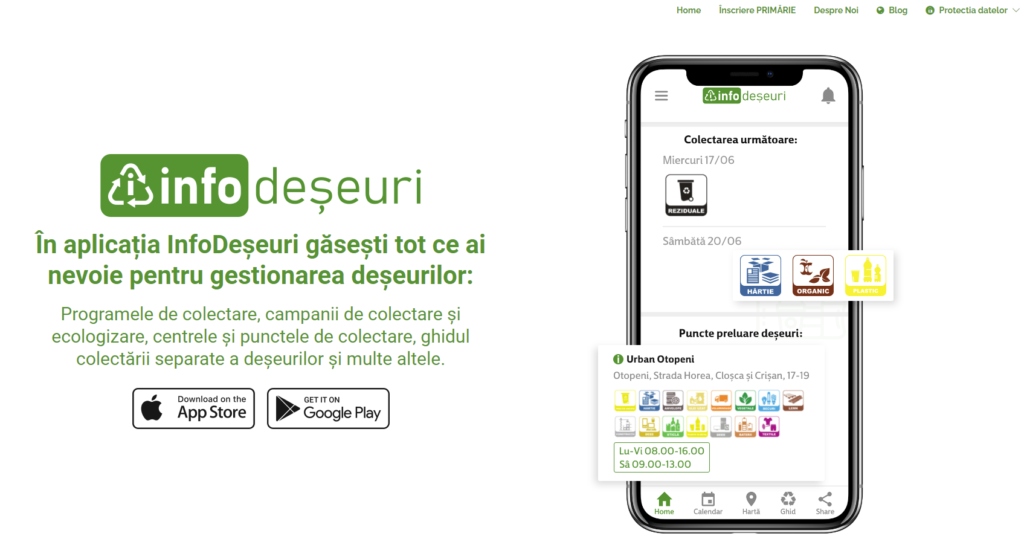
InfoWaste, from Romania, can be described as a recycling assistant, an app for citizens to become Homo Ecological. Its main goal is to promote separate waste collection, to achieve a circular economy. It provides necessary information about separating waste, basic preparation, collection programs, as well as collection points with map and navigation, eco-tips, and useful information about recycling.
5G Smart Reverse Vending Machine, from China, provides a solution to promote recycling while developing the 5G network and working to transform urban settlements into green and smart cities.
In Tunisia and Algeria, 40% of water is lost in the pipping system, therefore Kumulus offers a sustainable alternative. Kumulus from Tunisia targets access to safe drinking water by producing water using solar panels and humidity.
Trend 3: Investment in trees and ecosphere
This trend is set on raising awareness on the high value of the ecosphere, underlining its importance as well as the necessary action that needs to be taken to combat climate change.
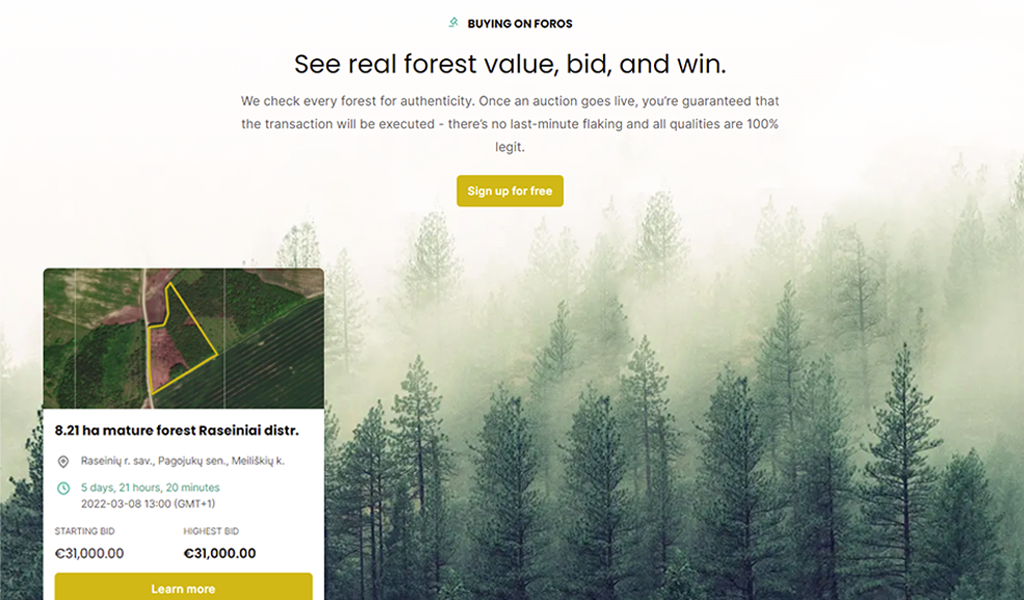
Foros, from Lithuania, places the focus on creating a green investment platform for laypeople along with enterprises. The platform provides the option to invest in forests, in addition to receiving advice on forest investment principles and real-time metrics on the status of their investment.
Treeconomy, from Canada, employs drone and satellite remote sensing to accurately quantify the carbon dioxide captured and stored as biomass by trees and forests. Lemu, from Chile, supports conservation efforts by giving them visibility and funding. It does so through an algorithm that allows the collection of hundred mixed data sources, in order to measure the value of ecosystems. By bringing the natural world online, they aim to tackle the environmental crisis.
Waves, from Luxembourg, offers the transport and logistics industry an overview of their carbon footprint with a high level of transparency along the whole supply chain.
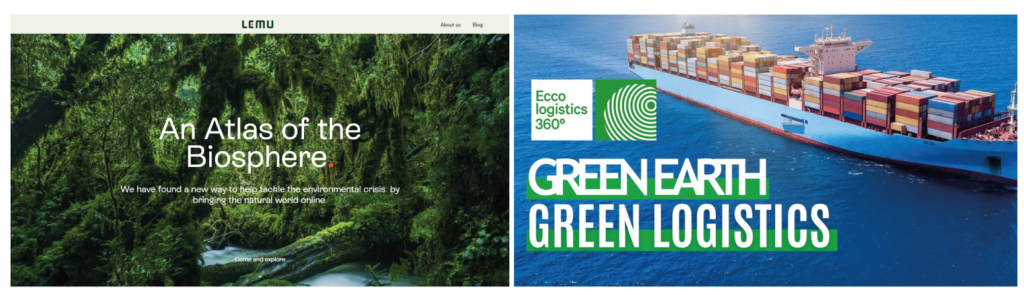
EccoFreight Environmental Logistics, from Spain, has the goal to incorporate sustainability into international freights, along with creating environmental awareness on companies, and at the same time enabling them to measure and reduce their carbon footprint.
Ecording, from Turkey, has made afforestation simple. They have designed a green business distributing tree germinating seed balls with ecoDrones for services and products sold.
Trend 4: Agricultural rich data
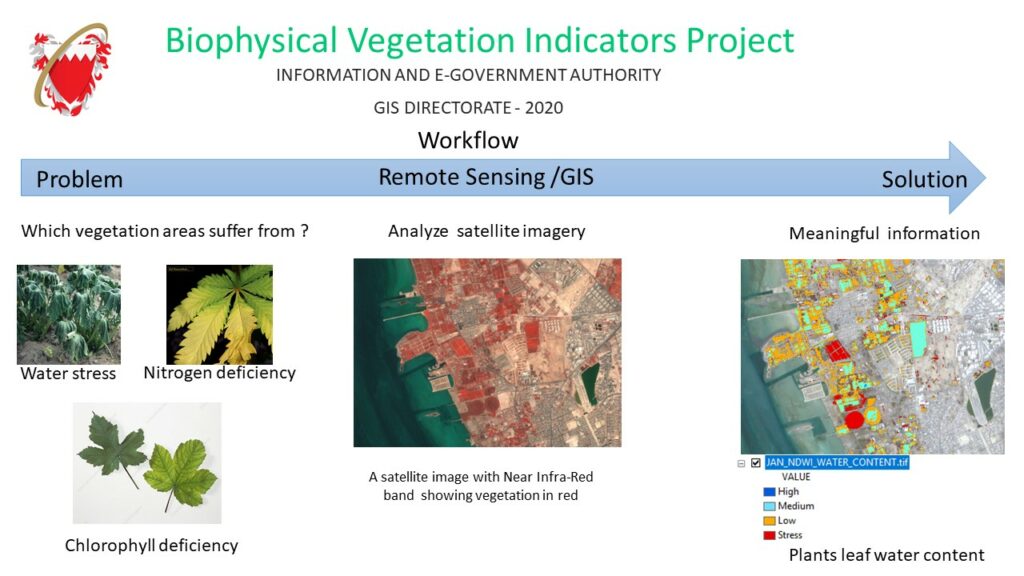
Biophysical Vegetation indicator, from Bahrain, tackles the issue of insufficient and imprecise agricultural data. Obtained by using remote sensing and GIS technologies, they analyze multi-spectral satellite images and develop remote/GIS models to calculate vegetation properties, such as nitrogen concentration. The focus is on having up-to-date information on the general health properties of plants, thus rich-agricultural data.
CocoRemedy, from Sri Lanka, is a mobile-web-based software solution designed to help coconut growers to detect Weligama Coconut Leaf Wilt Disease (WCLWD) and Coconut Caterpillar Infestation (CCI). CocoRemedy offers visualizations of infected areas or future danger areas using deep learning, image processing, and crowdsourcing.
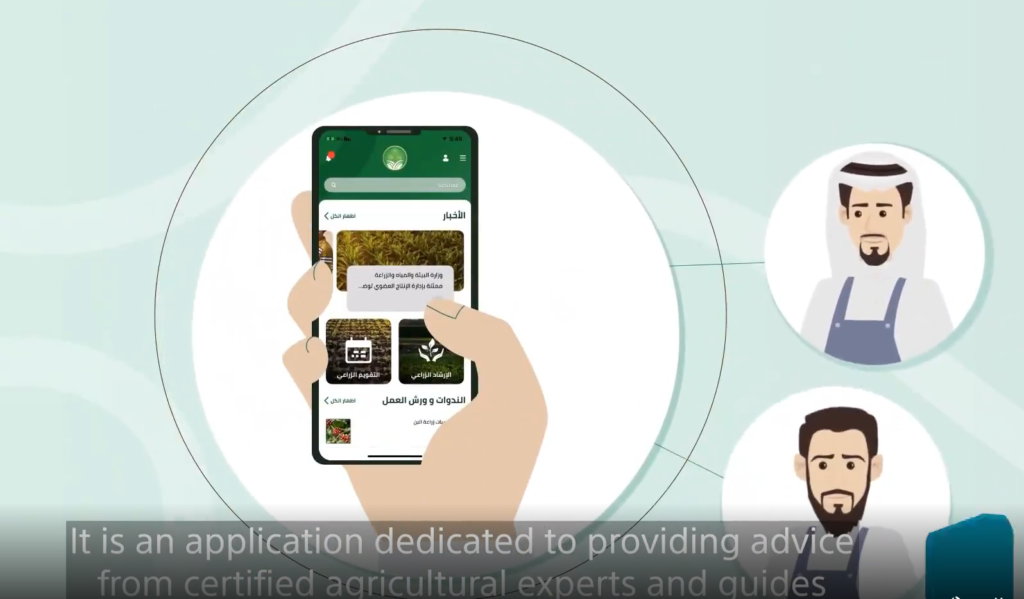
Agriculture Guidance Application, from Saudi Arabia, contributes to facilitating the tasks of farmers across the country in matters of regarding diseases and offer guidance for the best practices taking care of the plants. For instance, the intelligent identification of coffee tree disease and agricultural analysis service also provides a smart guide service. The questions can be answered through SMS or direct visual contact with specialists.
The WSA 2021 nominees in the category of Environment & Green Energy have proven the importance and relevance of combining digital technologies with SDGs 13 - Climate Action - to tackle the climate crisis. The nominees from this year vary from the production of clean energy to the improvement of recycling habits, smart water consumption, as well as the reduction of the carbon footprint while investing in the ecosphere.
Do you want to find out more about the complete list of nominees? Find below the full list!
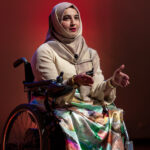
WSA to participate in UN WSIS Forum 2022, March 17th, 13.00 CET with a workshop ''Hack the Accessibility Gap''.
Since it's initiation in 2003, in the framework of the WSIS Process organized by International Telecommunication Union - ITU, UNESCO and United Nations Conference on Trade and Development, WSA selects global best practice solutions in digital interactive and content rich applications along the WSIS action lines C7. 🌍
As in the past years, WSA invited several members of the WSA network to contribute to the UN WSIS Forum 2022, with a workshop on how to ''Hack the Accessibility Gap''.
Across the globe one billion people experience a disability, and accessibility issues go far beyond the physical environment. Although we are living in the age of innovation – the way we interact with technology is evolving, especially in an adaptive technology, there are still huge gaps, in terms of content, accessibility and access.
WSA's mission is to empower those who already take action. In an interactive multi-stakeholder workshop on “Hack the Accessibility Gap”, digital innovators from all over the world will demonstrate how digital content and innovation can raise awareness, provide access, narrow accessibility gaps and feature taboo topics.
Workshop panellists:
- Peter A. Bruck, Chairman of the Board of Directors / panel moderation
- Tanzila Khan, Founder Girlythings, Pakistan
- Ramy Soliman, Co-Founder & COO, Bonocle, Qatar
- Cid Torquato, Institutional Relations Coordinator, Sao Paulo State Secretariat for the Rights of Persons with Disabilities, torquato.org , Brazil
- Nadine Dlouhy, Trainer, equalizent, Austria
- Wilfried Kainz, Researcher, Zero Project, Austria
The workshop is free to join.
More than 100 years ago people came together for the first time to celebrate an official women’s day. A lot of development has happened since then – women are allowed to vote and work in many countries, have access to education, lead initiatives and companies. Nevertheless, there is still a part of the way to go. Every year on March 8, the world celebrates the International Women’s Day and sets focus on gender related topics.
Especially in the tech industry the gender gap is still ubiquitous. Women and girls are more likely to be offline, the global internet user gap is 17% – and the digital gender gap exists in all regions of the world. Boys are 1.5 times more likely to own a phone than girls in many countries, and among those who do own phones, boys are more likely than girls to own smartphones. Half of the tech startups in the USA have no women in their leadership teams, in Europe there is only one female Chief Technology Officer out of 175 in total. These numbers indicate that more initiatives for gender equality are needed - all around the world. Thus, among the 17 SDGs (Sustainable Development Goals) in the Agenda 2030, number 5 states: “Gender Equality: Achieve gender equality and empower all women and girls.”
In 2022, the theme of the International Women’s Day is “Gender equality today for a sustainable tomorrow” #IWD2022, connecting the gender topic with the climate crisis. Women and girls all over the world are contributing greatly to the fight for environment, climate, and a sustainable and respectful way of living. They are involved in many initiatives and, at the same time, are effective and powerful leaders and change-makers. Diversity is essential for a different approach to leadership.
In the past years, WSA winning teams have proven how female tech entrepreneurs make a difference, fight for the rights and empower other women. WSA has awarded four different outstaning solutions with different topics, conceived and implemented mainly by women.
“You can’t be what you can’t see” *
“Future Heroes” from Estonia is a platform for girls from 15 to 19, a sisterhood without borders. The program lasts three months, consists of eight workshops online and live, is free of charge and comes with a buddy system to support everyone. Within these workshop girls learn all the important stuff to be entrepreneurs themselves – including a boost of self-confidence. Girls get to test their strengths, boost their skills, grow their sisterhood and be inspired by diverse role models.
* Quote by Marian Wright Edelman
Each victim is one too many
Visibility is not only the key when it comes to (female) role models, it can sharpen understanding and possibilities to help when we talk about domestic violence against women. One out of five women experiences physical and/or sexual violence. 2021 there were 31 femicides in Austria, 14 at the time the project #14toomany was submitted to WSA European Young Innovators. Raising awareness of this social problem and creating support structures for those affected are crucial for sustainable improvement.
Health is the joy of your body, joy is the health of your soul
Next to safe living conditions and education, health services are fundamental for a self-determined life. SAS Brazil / Anariá: Digital Oncology Service is designed to bring healthcare to populations with no access to specialized medicine. Three trucks were adapted with gynecological offices, free of charge – to make consultations and examinations possible for everyone, even in remote areas.
Enabling leaders of tomorrow
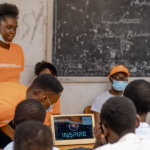
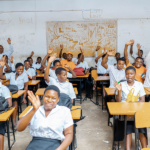
“Inspire learn” from Malawi knows about the importance of education. Technology is used as an enabling tool for quality and inclusive education for every child in Malawi, regardless of their economic background, ethnicity, religion, gender, environment and different-ability. Considering the circumstances in Malawi the program is built around: It is affordable, works offline, uses solar powered computers, inclusive for special needs and enables continued learning for girls and women affected by teenage pregnancies and early child marriages.
Credit of the Header Image: Burcu Köleli for UN Women (2022).